
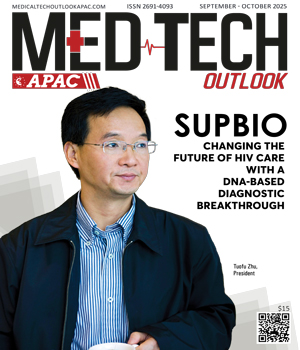

Healthcare isn’t turning to disposables out of convenience. It is building a new trust architecture, sterile, ready-to-use products that eliminate reprocessing risk, reduce infections, and extend care beyond hospitals into homes and community clinics. Orthopedics faces the sharpest scrutiny, with ESG-linked procurement tying contracts to carbon reduction and recyclable materials. Device traceability through UDI now tracks instruments from tray to bin, while packaging rules shift responsibility for waste back to producers, rewarding design that prevents landfill overflow. In wound care, portable single-use negative-pressure systems grant mobility while lowering surgical-site infections. HIV self-testing applies the same principle of safety and dignity, expanding access in communities where stigma or distance keeps people from clinics, supported by WHO guidance on quality-assured kits. The mandate is clear: disposables must prove value in outcomes and footprints.
Driven by these forces, APAC’s Disposable Orthopedic Surgical Products market is projected to reach $2.34 billion by 2030 (9.1 percent CAGR), Wound and Skin Care Products to $4.93 billion (4.8 percent CAGR), and HIV in vitro diagnostic kits to $487.7 billion by 2028 (2.57 percent CAGR).
The magazine features thought leadership articles from Esther May Cheam Sue San, Senior Nurse Manager at Thomson Hospital Kota Damansara, highlighting how integrating AI with ESG practices in critical care enhances ICU efficiency and reduces environmental impact. Michael Baron, Executive Director of Clinical Laboratory Operations at Wisconsin Diagnostic Laboratories, sheds light on the emerging trend of alternative workforce development models in clinical laboratories.
In this edition featuring APAC’s best disposable orthopedic surgical products manufacturer, wound and skin care products and HIV in vitro diagnostic kits, we hope you find the right partner to meet your organization’s needs.